
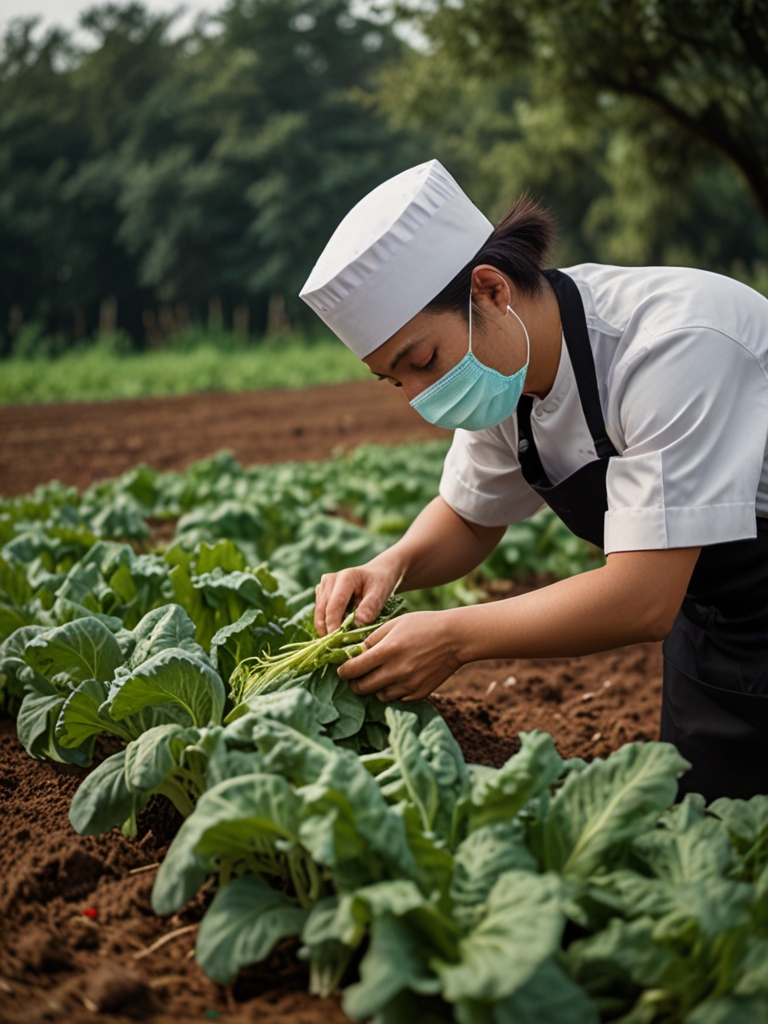
The journey of food from farm to table is a complex and fascinating process that involves various stages, each playing a crucial role in ensuring the freshness, quality, and safety of the ingredients we use. Understanding the culinary supply chain is essential for chefs, restaurateurs, and food enthusiasts who are committed to sourcing the best ingredients and supporting sustainable practices. In this article, we’ll explore the key stages of the culinary supply chain and how they impact the food we eat.
The Farm: Where It All Begins
1. Sustainable Farming Practices
Sustainable farming is at the heart of the farm-to-table movement. Farmers who adopt sustainable practices focus on soil health, water conservation, and biodiversity. They use natural fertilizers, crop rotation, and pest management techniques that minimize environmental impact and promote long-term agricultural health.
2. Local and Organic Produce
Local and organic farming practices emphasize fresh, seasonal produce with minimal use of synthetic chemicals. Organic farming adheres to strict guidelines to ensure the purity and quality of produce. Supporting local farms reduces the carbon footprint associated with transportation and supports the local economy.
The Transportation: Moving Ingredients Safely
3. Cold Chain Logistics
Cold chain logistics is essential for maintaining the quality and safety of perishable items such as dairy, meat, and fresh produce. This involves a temperature-controlled supply chain from the point of harvest to the final destination, ensuring that products remain fresh and safe for consumption.
4. Reducing Carbon Footprint
Transportation can have a significant environmental impact. Opting for local suppliers or those who implement eco-friendly transportation methods can reduce the carbon footprint. Efficient logistics, such as optimizing delivery routes and using sustainable packaging, also play a crucial role.
The Distribution: Ensuring Quality and Availability
5. Wholesalers and Distributors
Wholesalers and distributors act as intermediaries between farmers and retailers or restaurants. They play a vital role in aggregating products from multiple farms, ensuring consistent supply, and maintaining quality standards. Building strong relationships with reliable distributors can enhance the quality of ingredients.
6. Direct Sourcing
Direct sourcing from farms or cooperatives can eliminate intermediaries, providing fresher ingredients and better prices. It also allows chefs and restaurateurs to establish a direct connection with producers, fostering transparency and trust in the supply chain.
The Kitchen: Preparing and Serving
7. Traceability and Transparency
Traceability in the culinary supply chain ensures that every ingredient’s journey can be tracked from farm to table. This transparency helps in verifying the origin and quality of products, adhering to food safety regulations, and making informed purchasing decisions.
8. Ethical Sourcing
Ethical sourcing involves selecting suppliers who adhere to fair labor practices, animal welfare standards, and sustainable farming methods. Chefs and restaurateurs who prioritize ethical sourcing contribute to a more equitable and sustainable food system.
The Table: Delivering a Memorable Experience
9. Freshness and Quality
The ultimate goal of the farm-to-table journey is to deliver the freshest and highest-quality ingredients to consumers. Freshness not only enhances the flavor and nutritional value of dishes but also reflects the care and effort invested in every stage of the supply chain.
10. Culinary Innovation
Understanding the culinary supply chain enables chefs to innovate and create dishes that highlight the best of seasonal and local produce. It encourages creativity in the kitchen, leading to unique and memorable dining experiences for customers.
Conclusion
The farm-to-table movement emphasizes the importance of understanding and optimizing the culinary supply chain. By focusing on sustainable farming, efficient transportation, ethical sourcing, and transparency, chefs and restaurateurs can deliver high-quality, fresh, and ethically sourced ingredients to their tables. Embracing the journey from farm to table not only enhances the dining experience but also supports a sustainable and responsible food system.
Explore the world of farm-to-table and discover how every ingredient’s journey enriches the flavors and stories behind your favorite dishes.
From Farm to Table: Understanding the Culinary Supply Chain
The journey of food from farm to table is a complex and fascinating process that involves various stages, each playing a crucial role in ensuring the freshness, quality, and safety of the ingredients we use. Understanding the culinary supply chain is essential for chefs, restaurateurs, and food enthusiasts who are committed to sourcing the best ingredients and supporting sustainable practices. In this article, we’ll explore the key stages of the culinary supply chain and how they impact the food we eat.
The Farm: Where It All Begins
1. Sustainable Farming Practices
Sustainable farming is at the heart of the farm-to-table movement. Farmers who adopt sustainable practices focus on soil health, water conservation, and biodiversity. They use natural fertilizers, crop rotation, and pest management techniques that minimize environmental impact and promote long-term agricultural health.
2. Local and Organic Produce
Local and organic farming practices emphasize fresh, seasonal produce with minimal use of synthetic chemicals. Organic farming adheres to strict guidelines to ensure the purity and quality of produce. Supporting local farms reduces the carbon footprint associated with transportation and supports the local economy.
The Transportation: Moving Ingredients Safely
3. Cold Chain Logistics
Cold chain logistics is essential for maintaining the quality and safety of perishable items such as dairy, meat, and fresh produce. This involves a temperature-controlled supply chain from the point of harvest to the final destination, ensuring that products remain fresh and safe for consumption.
4. Reducing Carbon Footprint
Transportation can have a significant environmental impact. Opting for local suppliers or those who implement eco-friendly transportation methods can reduce the carbon footprint. Efficient logistics, such as optimizing delivery routes and using sustainable packaging, also play a crucial role.
The Distribution: Ensuring Quality and Availability
5. Wholesalers and Distributors
Wholesalers and distributors act as intermediaries between farmers and retailers or restaurants. They play a vital role in aggregating products from multiple farms, ensuring consistent supply, and maintaining quality standards. Building strong relationships with reliable distributors can enhance the quality of ingredients.
6. Direct Sourcing
Direct sourcing from farms or cooperatives can eliminate intermediaries, providing fresher ingredients and better prices. It also allows chefs and restaurateurs to establish a direct connection with producers, fostering transparency and trust in the supply chain.
The Kitchen: Preparing and Serving
7. Traceability and Transparency
Traceability in the culinary supply chain ensures that every ingredient’s journey can be tracked from farm to table. This transparency helps in verifying the origin and quality of products, adhering to food safety regulations, and making informed purchasing decisions.
8. Ethical Sourcing
Ethical sourcing involves selecting suppliers who adhere to fair labor practices, animal welfare standards, and sustainable farming methods. Chefs and restaurateurs who prioritize ethical sourcing contribute to a more equitable and sustainable food system.
The Table: Delivering a Memorable Experience
9. Freshness and Quality
The ultimate goal of the farm-to-table journey is to deliver the freshest and highest-quality ingredients to consumers. Freshness not only enhances the flavor and nutritional value of dishes but also reflects the care and effort invested in every stage of the supply chain.
10. Culinary Innovation
Understanding the culinary supply chain enables chefs to innovate and create dishes that highlight the best of seasonal and local produce. It encourages creativity in the kitchen, leading to unique and memorable dining experiences for customers.
Conclusion
The farm-to-table movement emphasizes the importance of understanding and optimizing the culinary supply chain. By focusing on sustainable farming, efficient transportation, ethical sourcing, and transparency, chefs and restaurateurs can deliver high-quality, fresh, and ethically sourced ingredients to their tables. Embracing the journey from farm to table not only enhances the dining experience but also supports a sustainable and responsible food system.
Explore the world of farm-to-table and discover how every ingredient’s journey enriches the flavors and stories behind your favorite dishes.

 Esarasavi