
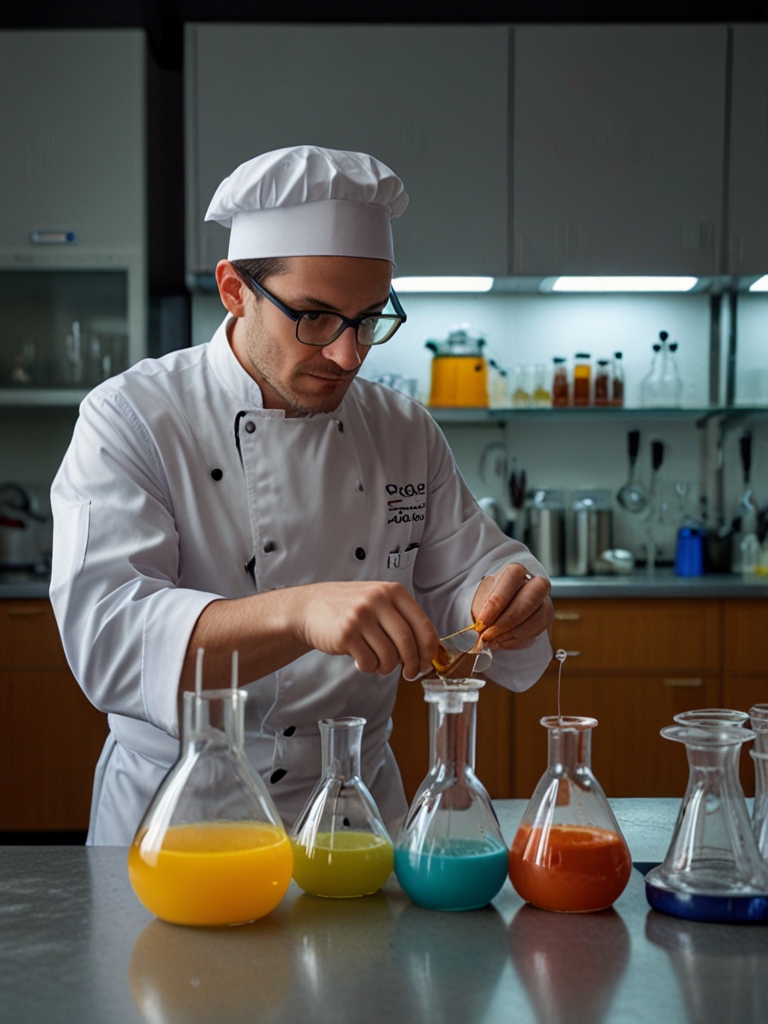
Cooking is an art, but it’s also a science. Understanding the chemistry behind cooking can transform your culinary skills, helping you create dishes that are not only delicious but also consistently excellent. In this article, we’ll explore the fascinating world of culinary chemistry, uncovering the scientific principles that underpin everyday cooking techniques.
The Maillard Reaction: The Flavor Maker
One of the most important chemical reactions in cooking is the Maillard reaction. This reaction occurs when proteins and sugars in food are exposed to heat, resulting in complex flavors and browning. It’s responsible for the delicious crust on a seared steak, the golden color of baked bread, and the rich flavor of roasted coffee.
Key Points:
- Temperature: The Maillard reaction typically occurs between 280°F and 330°F (140°C to 165°C). Cooking at these temperatures ensures optimal flavor development.
- Dry Heat: This reaction is best achieved through dry cooking methods like grilling, roasting, and frying, where moisture is minimized.
- Amino Acids and Sugars: Foods rich in proteins and sugars, such as meats, breads, and vegetables, are ideal candidates for the Maillard reaction.
Caramelization: Sweet and Complex
Caramelization is another critical chemical process in cooking, involving the breakdown of sugars when heated. This process creates sweet, nutty, and complex flavors, enhancing the taste of a wide range of dishes.
Key Points:
- Temperature: Caramelization occurs at around 320°F (160°C). Unlike the Maillard reaction, it doesn’t involve proteins.
- Sugars: This process is most noticeable in foods high in sugar, such as onions, carrots, and certain fruits.
- Applications: Caramelization is essential in making caramel sauce, roasted vegetables, and the crisp crust on baked goods.
Emulsification: Blending Oil and Water
Emulsification is the process of mixing two immiscible liquids, such as oil and water, into a stable mixture. This technique is crucial in making sauces, dressings, and mayonnaise.
Key Points:
- Emulsifiers: Ingredients like egg yolks, mustard, and lecithin help stabilize emulsions by reducing the surface tension between oil and water.
- Technique: Slowly adding the oil to the water-based ingredients while vigorously whisking helps create a smooth and stable emulsion.
- Examples: Common emulsions include vinaigrettes, hollandaise sauce, and aioli.
Gelatinization: Thickening and Binding
Gelatinization is the process by which starch granules absorb water and swell, thickening the liquid in which they are cooked. This reaction is fundamental in making sauces, soups, and baked goods.
Key Points:
- Temperature: Gelatinization occurs between 140°F and 212°F (60°C to 100°C), depending on the type of starch.
- Starches: Common starches include flour, cornstarch, and arrowroot. Each starch has unique properties and uses.
- Applications: This process is essential in thickening gravies, making custards, and giving structure to baked goods.
Denaturation and Coagulation: Transforming Proteins
Denaturation and coagulation are processes that modify the structure of proteins in food. Denaturation involves the unfolding of protein molecules, while coagulation refers to the formation of a solid or semi-solid mass from these proteins.
Key Points:
- Heat: Cooking proteins, such as eggs, meat, and fish, causes them to denature and coagulate, changing their texture and appearance.
- Acid and Salt: Acids (like lemon juice) and salts can also cause proteins to denature. This principle is used in making ceviche and marinating meats.
- Examples: Scrambled eggs, cheese making, and yogurt production all rely on these processes.
Fermentation: Flavor and Preservation
Fermentation is a metabolic process where microorganisms like bacteria and yeast convert sugars into acids, gases, or alcohol. This technique not only preserves food but also develops unique flavors.
Key Points:
- Microorganisms: Yeast is used in bread and alcohol production, while bacteria are crucial for yogurt, cheese, and sauerkraut.
- Conditions: Proper temperature, pH, and oxygen levels are essential for successful fermentation.
- Applications: Bread, beer, wine, kimchi, and pickles are all products of fermentation.
Conclusion
Understanding the science of cooking can elevate your culinary skills, allowing you to create dishes with precision and creativity. From the Maillard reaction to fermentation, these chemical processes form the backbone of many cooking techniques. By mastering these concepts, you can unlock new flavors, improve your cooking methods, and impress your guests with scientific culinary knowledge.

 Esarasavi