
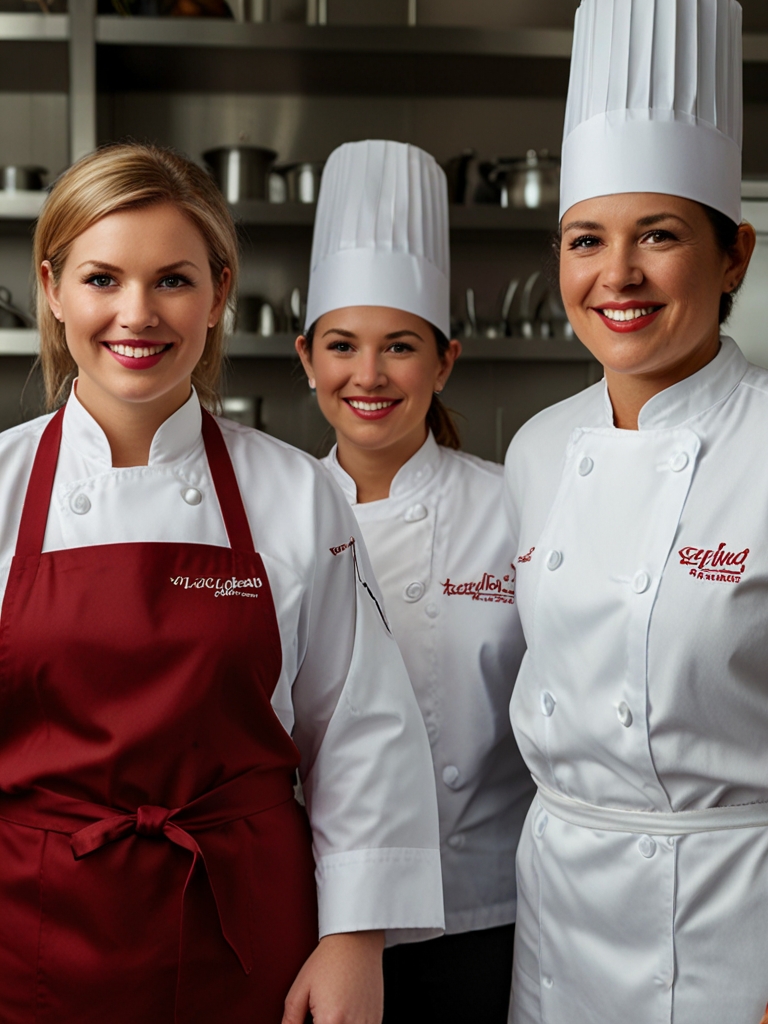
Managing a kitchen effectively is crucial for the success of any culinary establishment. Whether you’re running a small café or a large restaurant, efficient kitchen management ensures smooth operations, satisfied customers, and a motivated team. Here are ten essential kitchen management tips that every culinary professional should follow.
1. Organize Your Kitchen Layout
A well-organized kitchen layout is the foundation of efficient kitchen management. Ensure that your kitchen is designed for optimal workflow, with designated areas for preparation, cooking, plating, and cleaning. This reduces unnecessary movement and increases productivity.
2. Implement Inventory Management
Effective inventory management prevents food waste, ensures that you always have necessary ingredients on hand, and helps control food costs. Use inventory management software to track stock levels, expiration dates, and order quantities.
3. Prioritize Food Safety and Hygiene
Maintaining high standards of food safety and hygiene is essential. Train your staff on proper food handling, storage, and sanitation practices. Regularly inspect your kitchen to ensure compliance with health regulations.
4. Train and Develop Your Team
Invest in your team’s development by providing ongoing training and professional development opportunities. This not only improves their skills but also boosts morale and reduces turnover.
5. Streamline Communication
Clear and efficient communication is key to a well-managed kitchen. Use communication tools like kitchen display systems (KDS) and headsets to keep everyone on the same page. Hold regular team meetings to address any issues and plan for upcoming events.
6. Monitor and Control Food Costs
Controlling food costs is critical for maintaining profitability. Regularly review your menu, portion sizes, and ingredient prices. Use costing software to analyse food cost percentages and identify areas for improvement.
7. Optimize Scheduling and Labour Management
Effective labour management ensures that you have the right number of staff during peak and off-peak hours. Use scheduling software to create efficient rotas, manage time-off requests, and track labour costs.
8. Maintain Equipment and Facilities
Regular maintenance of kitchen equipment and facilities prevents breakdowns and extends their lifespan. Schedule routine checks and repairs, and invest in high-quality equipment that can withstand the demands of a busy kitchen.
9. Implement Standard Operating Procedures (SOPs)
Standard Operating Procedures (SOPs) ensure consistency and efficiency in kitchen operations. Document procedures for tasks like food preparation, cooking, cleaning, and safety protocols. Train your staff to follow these procedures diligently.
10. Foster a Positive Kitchen Culture
A positive kitchen culture promotes teamwork, reduces stress, and improves overall job satisfaction. Encourage open communication, recognize and reward hard work, and create a supportive environment where staff feel valued.
Conclusion
Effective kitchen management is essential for running a successful culinary establishment. By implementing these ten tips, you can create an organized, efficient, and positive kitchen environment. Remember, the key to great kitchen management is continuous improvement and adaptation to changing needs.

 Esarasavi