
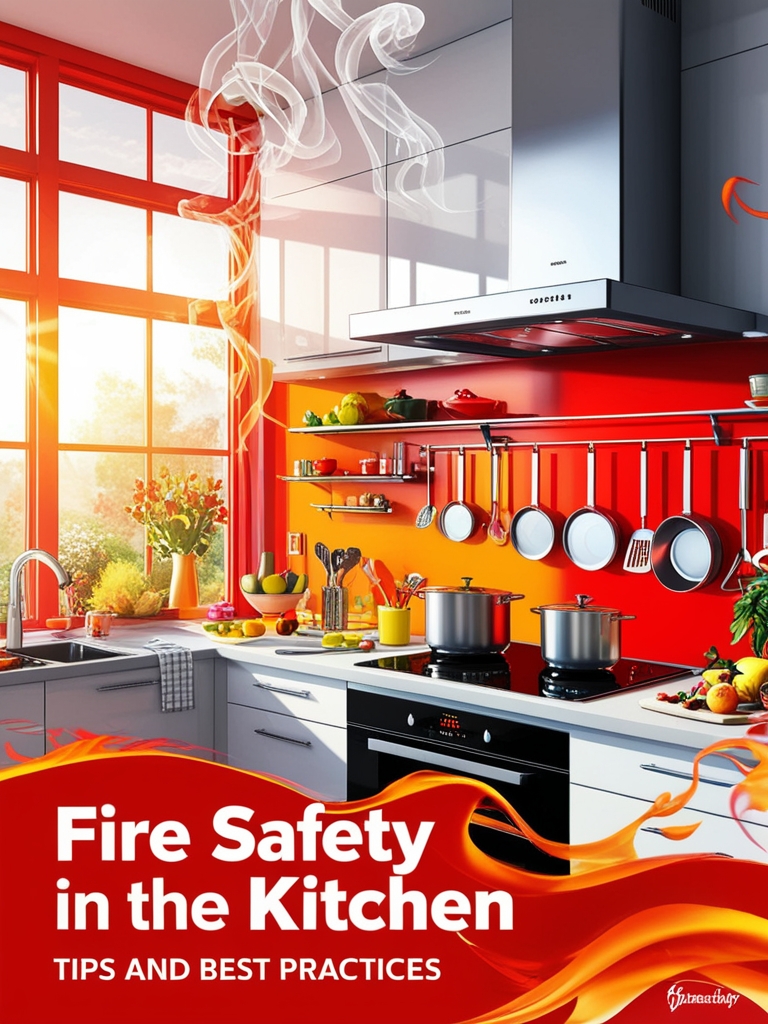
The kitchen is often the heart of the home, but it’s also one of the most common places for fires to start. Ensuring fire safety in the kitchen is crucial for preventing accidents and protecting your home and loved ones. Here are some essential tips and best practices for maintaining fire safety in your kitchen.
1. Never Leave Cooking Unattended
Unattended cooking is the leading cause of kitchen fires. Always stay in the kitchen while you are frying, grilling, or broiling food. If you need to leave the kitchen, even for a short period, turn off the stove or oven.
2. Keep Flammable Items Away from Heat Sources
Keep flammable items like dish towels, paper towels, and pot holders away from the stove, oven, and other heat sources. Ensure that these items are stored safely and not left on countertops near cooking appliances.
3. Install and Maintain Smoke Alarms
Smoke alarms are essential for early fire detection. Install smoke alarms near the kitchen and ensure they are in good working condition. Test them regularly and replace the batteries at least once a year.
4. Have a Fire Extinguisher Readily Available
Keep a fire extinguisher in the kitchen and ensure that everyone knows how to use it. A Class K fire extinguisher is recommended for kitchens as it is specifically designed to put out fires involving cooking oils and fats.
5. Be Careful with Grease
Grease fires can quickly get out of control. To prevent grease fires, avoid letting oil and grease build up on the stove and in the oven. If a grease fire occurs, never use water to extinguish it. Instead, smother the flames with a metal lid or use a fire extinguisher.
6. Wear Safe Clothing
Avoid wearing loose clothing or long sleeves while cooking. These can easily catch fire if they come into contact with a flame or hot surface. Opt for short sleeves or snug-fitting clothing when working in the kitchen.
7. Keep a Lid Nearby
When cooking on the stovetop, keep a lid nearby to smother small grease fires. If a fire starts, carefully slide the lid over the pan and turn off the burner. Leave the lid on until the pan is completely cool.
8. Ensure Proper Ventilation
Good ventilation can help prevent the buildup of flammable vapors. Use a range hood or exhaust fan while cooking to keep the air clear and reduce the risk of fire.
9. Educate Your Household
Ensure that everyone in your household knows basic fire safety procedures. Conduct regular fire drills and make sure everyone knows how to use the fire extinguisher, where the exits are, and what to do in case of a fire.
10. Create a Fire Escape Plan
Have a fire escape plan in place and ensure that everyone in your household knows it. Practice the plan regularly so that everyone knows how to exit the house safely and quickly in case of a fire.
Conclusion
Fire safety in the kitchen is vital for protecting your home and family. By following these tips and best practices, you can significantly reduce the risk of kitchen fires and ensure a safer cooking environment. Stay vigilant, educate your household, and always prioritize safety in the kitchen.


 Esarasavi