
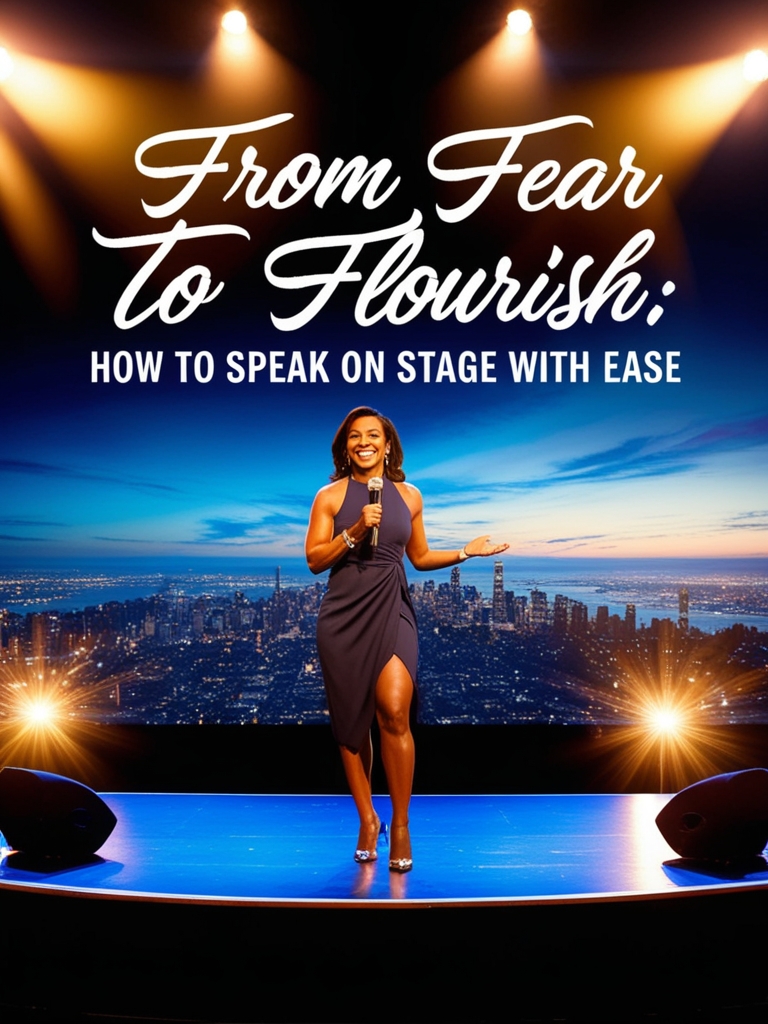
Public speaking is a common source of anxiety for many people, but with the right strategies, you can transform your fear into confidence and speak on stage with ease. This article provides actionable tips to help you overcome stage fright and become a compelling speaker.
1. Understand Your Fear
The first step in overcoming stage fright is to understand what specifically makes you anxious about speaking on stage. Common fears include forgetting your speech, being judged, or making mistakes.
Actionable Tip: Identify your specific fears and address them individually. For example, if you fear forgetting your speech, practice more until you feel comfortable. If you fear judgment, remind yourself that the audience is there to support you.
2. Prepare Thoroughly
Preparation is key to overcoming fear and building confidence. The more familiar you are with your material, the less anxious you will feel.
Actionable Tip: Write and rehearse your speech multiple times. Practice in front of a mirror, record yourself, or perform in front of friends and family to get comfortable with your delivery.
3. Practice Deep Breathing Techniques
Deep breathing can help calm your nerves before and during your speech. It reduces stress and helps you focus.
Actionable Tip: Practice deep breathing exercises, such as inhaling deeply through your nose for a count of four, holding for four, and exhaling through your mouth for a count of four. Repeat this several times before you go on stage.
4. Visualize Success
Visualization is a powerful technique that can help reduce anxiety and boost confidence. Imagine yourself speaking confidently and successfully in front of your audience.
Actionable Tip: Spend a few minutes each day visualizing yourself delivering your speech flawlessly. Picture the positive reactions of your audience and the feeling of accomplishment.
5. Start with Small Audiences
If you’re new to public speaking, start by practicing in front of smaller, more familiar audiences. This can help you build confidence gradually.
Actionable Tip: Look for opportunities to speak at smaller gatherings, such as team meetings, family events, or community groups. Gradually increase the size of your audience as you become more comfortable.
6. Focus on Your Message, Not Yourself
Shift your focus from your own fears to the message you want to deliver. Remember that your primary goal is to communicate valuable information to your audience.
Actionable Tip: Concentrate on the content of your speech and how it can benefit your audience. This shift in focus can help reduce self-consciousness and anxiety.
7. Engage with Your Audience
Engaging with your audience can make the experience less intimidating and more interactive. Make eye contact, ask questions, and encourage participation.
Actionable Tip: Incorporate interactive elements into your speech, such as Q&A sessions, polls, or audience activities. This not only engages your audience but also makes the experience more dynamic and less stressful for you.
8. Learn from Feedback
Feedback is essential for improvement. After your speech, seek feedback from trusted friends, colleagues, or mentors.
Actionable Tip: Ask for specific feedback on areas where you can improve. Use this feedback constructively to refine your speaking skills and build confidence for future presentations.
Conclusion
Transforming fear into confidence and speaking on stage with ease is achievable with the right strategies. By understanding your fear, preparing thoroughly, practicing deep breathing, visualizing success, starting with small audiences, focusing on your message, engaging with your audience, and learning from feedback, you can become a confident and effective public speaker.

 Esarasavi