
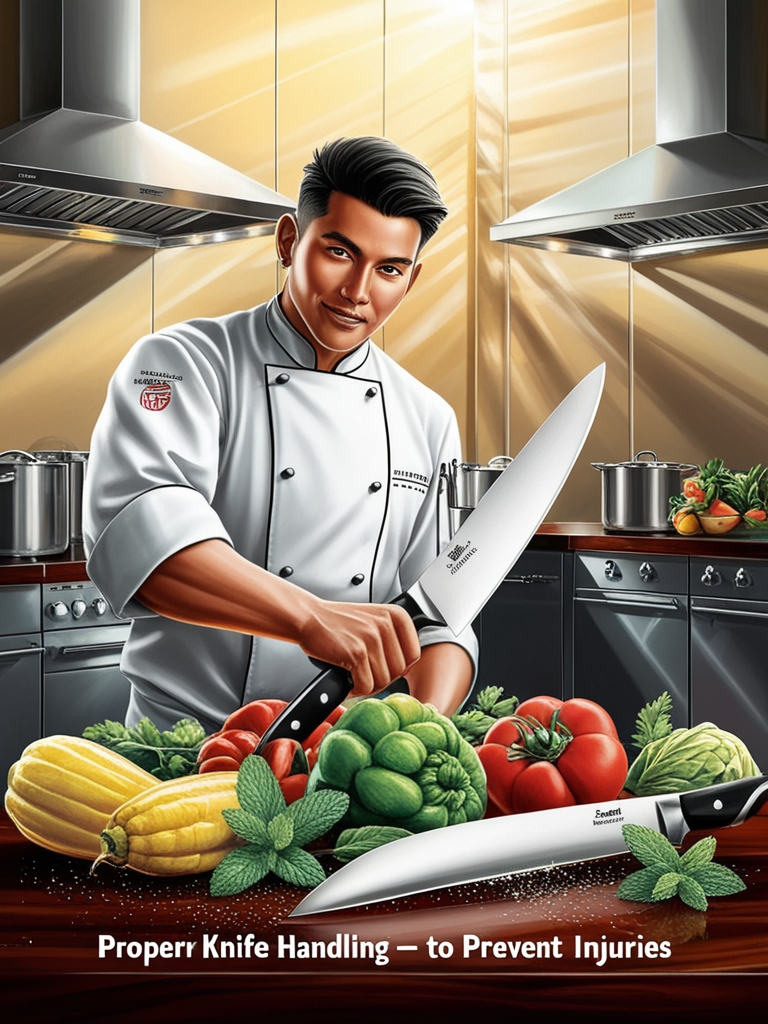
Knives are essential tools in any kitchen, but improper use can lead to serious injuries. Understanding and practicing proper knife handling techniques can prevent accidents and ensure a safer cooking environment. Here are some essential tips and best practices for handling knives safely in the kitchen.
1. Choose the Right Knife for the Task
Using the correct knife for the specific task at hand is crucial. Each type of knife is designed for particular uses, such as slicing, dicing, chopping, or peeling. Using the right knife makes the task easier and safer.
2. Keep Your Knives Sharp
A sharp knife is safer than a dull one. Dull knives require more force to cut through food, increasing the risk of slipping and causing injuries. Regularly sharpen your knives to maintain their effectiveness and safety.
3. Use a Cutting Board
Always use a stable cutting board when cutting food. Avoid cutting on countertops, plates, or other unstable surfaces, which can cause the knife to slip. A non-slip cutting board is ideal for maintaining stability.
4. Practice the Claw Grip
The claw grip is a safe technique to hold food while cutting. Tuck your fingertips inward and grip the food with your knuckles, keeping your fingertips away from the blade. This grip provides better control and reduces the risk of cuts.
5. Cut Away from Your Body
Always cut away from your body to prevent accidental injuries. This technique ensures that the knife blade is moving away from you, reducing the risk of cuts and injuries.
6. Keep Your Eyes on the Knife
Pay close attention to your cutting task. Distractions can lead to accidents, so focus on what you are doing and avoid multitasking while using a knife.
7. Store Knives Properly
Proper knife storage is essential for maintaining sharpness and preventing accidents. Use a knife block, magnetic strip, or drawer insert to keep knives organized and safely stored.
8. Clean Knives Safely
When cleaning knives, avoid leaving them in a sink full of soapy water where they may not be visible. Instead, wash them immediately after use with the blade facing away from you, and dry them thoroughly before storing.
9. Use Proper Cutting Techniques
Learn and practice proper cutting techniques, such as slicing, dicing, and chopping, to ensure safe and efficient use of knives. Proper techniques reduce the risk of slipping and injuries.
10. Maintain a Clean Work Area
A cluttered workspace can lead to accidents. Keep your cutting area clean and free of unnecessary items to ensure you have ample space to work safely.
Conclusion
Proper knife handling techniques are essential for preventing injuries in the kitchen. By choosing the right knife, keeping it sharp, using a stable cutting board, practicing safe grips, and maintaining a clean workspace, you can significantly reduce the risk of accidents. Prioritize safety and focus while handling knives to create a safer and more efficient cooking environment.


 Esarasavi