
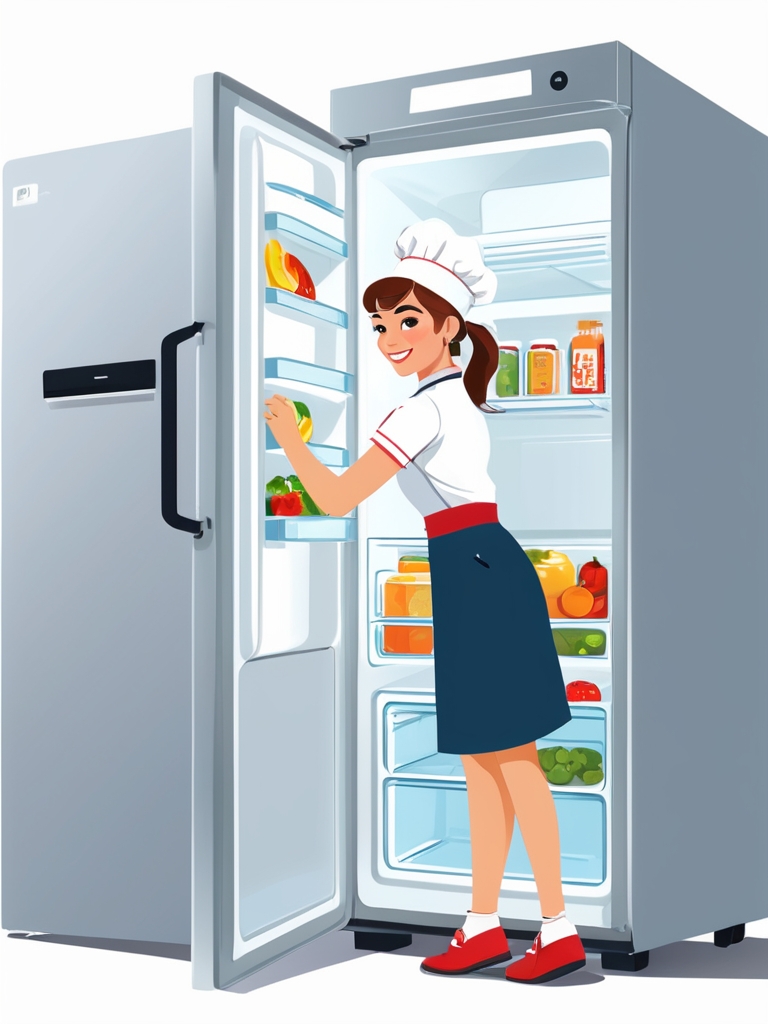
Storing fruits and vegetables correctly is crucial for maintaining their freshness, flavor, and nutritional value. Proper storage can also help reduce food waste and save money. Here are some expert tips on how to store various fruits and vegetables to maximize their freshness.
1. Know Which Fruits and Vegetables to Refrigerate
Certain fruits and vegetables thrive in the cool environment of the refrigerator, while others do better at room temperature. Store items like berries, grapes, apples, carrots, and leafy greens in the refrigerator. Conversely, keep bananas, tomatoes, potatoes, and onions at room temperature.
2. Use the Crisper Drawer
The crisper drawer in your refrigerator is designed to maintain optimal humidity levels for fruits and vegetables. Use it to store produce that needs a slightly more humid environment, such as leafy greens, broccoli, and cucumbers.
3. Keep Ethylene-Producing Fruits Separate
Some fruits, like apples, bananas, and tomatoes, produce ethylene gas, which can speed up the ripening of other nearby produce. Store ethylene-producing fruits separately from ethylene-sensitive items like leafy greens and berries to extend their freshness.
4. Store Leafy Greens in a Damp Cloth
Wrap leafy greens, such as lettuce and spinach, in a damp cloth or paper towel before placing them in a perforated plastic bag. This helps maintain the right moisture level and prevents wilting.
5. Keep Root Vegetables in a Cool, Dark Place
Root vegetables like potatoes, onions, and garlic should be stored in a cool, dark, and well-ventilated place. Avoid storing potatoes and onions together, as they can cause each other to spoil more quickly.
6. Don’t Wash Produce Until Ready to Use
Washing fruits and vegetables before storage can introduce moisture that promotes mold and decay. Only wash produce right before you plan to use it to keep it fresh longer.
7. Use Airtight Containers for Cut Fruits and Vegetables
Once fruits and vegetables are cut, store them in airtight containers in the refrigerator to prevent them from drying out and absorbing other odors.
8. Keep Berries Dry
Berries are particularly prone to mold, so it’s important to keep them dry. Store them unwashed in a paper towel-lined container with a loosely fitting lid or partially open cover.
9. Use a Vinegar Solution for Berries
For an extra step to prolong the freshness of berries, rinse them in a solution of one part vinegar to three parts water. This helps kill mold spores and bacteria, then dry them thoroughly before storing.
10. Utilize the Freezer for Long-Term Storage
For longer storage, many fruits and vegetables can be frozen. Blanch vegetables like broccoli, peas, and carrots before freezing to preserve their color and nutrients. Freeze fruits like berries and mangoes on a baking sheet before transferring to airtight containers.
Conclusion
Properly storing fruits and vegetables is essential for maximizing their freshness, flavor, and nutritional value. By understanding the specific needs of each type of produce and utilizing these expert storage tips, you can enjoy fresh, delicious fruits and vegetables for longer periods and reduce food waste. Implement these practices to keep your kitchen stocked with high-quality, fresh produce.


 Esarasavi