
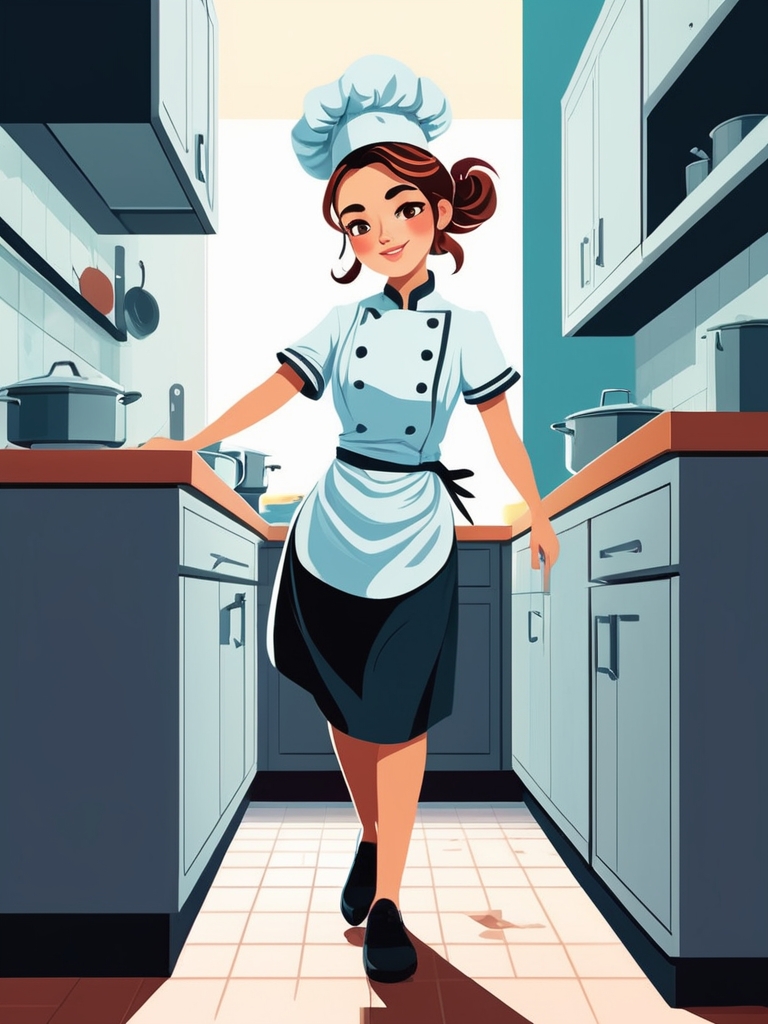
Slips, trips, and falls are common hazards in the kitchen, posing risks to both safety and efficiency. Preventing these accidents is crucial for maintaining a safe work environment. Here are some expert tips on how to prevent slips, trips, and falls in the kitchen.
1. Keep Floors Clean and Dry
Ensure that floors are kept clean and dry at all times. Spills should be cleaned up immediately to prevent slipping. Use absorbent mats in areas prone to moisture, such as near sinks and dishwashers.
2. Use Non-Slip Mats and Rugs
Non-slip mats and rugs can provide extra traction and reduce the risk of slipping. Place them in high-traffic areas and ensure they are flat and secure to avoid tripping hazards.
3. Wear Proper Footwear
Kitchen staff should wear slip-resistant shoes that provide good support and grip. Avoid open-toed shoes and ensure footwear is in good condition.
4. Maintain Good Lighting
Ensure that all areas of the kitchen are well-lit. Good lighting helps staff see potential hazards and navigate the space safely. Replace burned-out bulbs promptly and use bright, even lighting.
5. Organize Cables and Wires
Keep cables and wires organized and out of walkways. Use cable covers or tape them down to prevent tripping. Regularly inspect for damaged cords and replace them as needed.
6. Keep Walkways Clear
Ensure that walkways and work areas are free of clutter. Store equipment and supplies properly and avoid placing items on the floor where they can cause tripping hazards.
7. Use Proper Step Stools and Ladders
When reaching for high shelves, use a stable step stool or ladder. Ensure that stools and ladders are in good condition and have non-slip feet. Never stand on chairs or countertops.
8. Implement a Cleaning Schedule
Create a regular cleaning schedule to ensure that floors, counters, and equipment are kept clean and dry. Assign specific tasks to staff members and use checklists to track completion.
9. Train Staff on Safety Procedures
Provide regular training for kitchen staff on safety procedures and best practices for preventing slips, trips, and falls. Include topics like proper cleaning techniques, equipment use, and emergency response.
10. Conduct Regular Safety Inspections
Perform regular safety inspections of the kitchen to identify and address potential hazards. Use a checklist to ensure all areas are covered, and take immediate action to fix any issues found.
Conclusion
Preventing slips, trips, and falls in the kitchen is essential for creating a safe and efficient working environment. By keeping floors clean and dry, using non-slip mats and proper footwear, maintaining good lighting, organizing cables, keeping walkways clear, using proper step stools, implementing a cleaning schedule, training staff on safety procedures, and conducting regular safety inspections, you can significantly reduce the risk of accidents. Implement these tips to ensure the safety and well-being of your kitchen staff.


 Esarasavi