
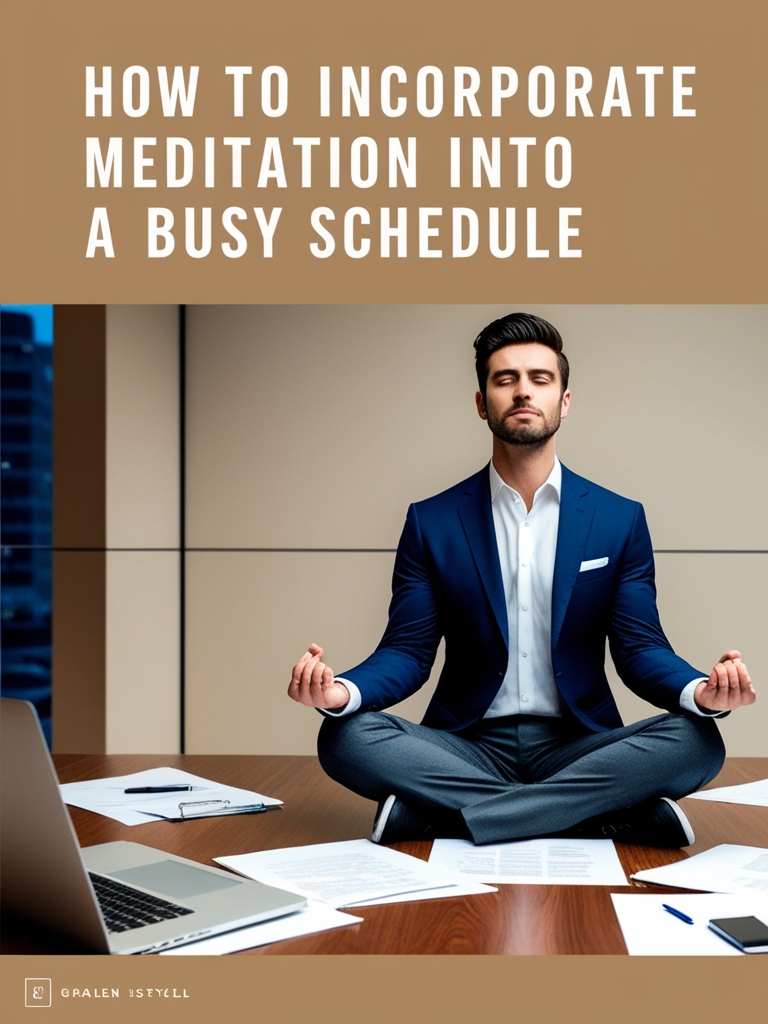
In today’s fast-paced world, finding time for self-care can be a challenge. However, incorporating meditation into your daily routine, even with a busy schedule, is not only possible but essential for maintaining mental clarity, reducing stress, and enhancing productivity. This article will guide you through practical strategies for incorporating meditation into your hectic life, ensuring that you reap the benefits of this ancient practice without sacrificing your professional responsibilities.
The Importance of Meditation in a Busy Life
Meditation is a powerful tool for managing stress, improving focus, and fostering a sense of inner peace. For busy professionals, the benefits of meditation extend beyond relaxation—it can enhance decision-making, boost creativity, and increase overall productivity. By taking a few minutes each day to meditate, you can recharge your mind, making you more effective in your personal and professional life.
Why Meditation is Essential for Busy Professionals
- Stress Reduction: Meditation helps lower cortisol levels, reducing stress and its negative impacts on your health and productivity.
- Enhanced Focus: Regular meditation improves your ability to concentrate, making you more efficient at work.
- Better Decision-Making: Meditation fosters clarity of thought, allowing you to make better decisions under pressure.
- Increased Creativity: A calm mind is more open to new ideas and creative solutions, essential for innovation and problem-solving.
Understanding the Challenges of a Busy Schedule
One of the most common obstacles to meditation is the perception that it requires a significant time commitment. However, meditation can be flexible and adaptable, fitting into even the busiest of schedules. The key is to start small and integrate it into your daily routine gradually.
1. Start with Just 5 Minutes a Day
If you’re new to meditation or struggling to find time, start with just five minutes a day. This brief period is enough to begin reaping the benefits of meditation without overwhelming your schedule. You can gradually increase the duration as you become more comfortable with the practice.
- Morning Meditation: Begin your day with a 5-minute meditation session. Before diving into emails or heading to the office, sit quietly, close your eyes, and focus on your breath. This sets a calm and focused tone for the day.
- Midday Break: If mornings are too rushed, take a 5-minute break during your lunch hour. Find a quiet spot, close your eyes, and take deep breaths. This short session can help you recharge for the rest of the day.
2. Integrate Meditation into Daily Activities
You don’t need to set aside a special time to meditate. Instead, incorporate mindfulness into your daily activities. This approach allows you to meditate while you’re doing things you already do every day.
- Mindful Breathing: Practice mindful breathing while waiting in line, sitting in traffic, or during your daily commute. Focus on each breath, inhaling and exhaling slowly. This practice helps you stay calm and centered, even during busy periods.
- Walking Meditation: Turn your daily walk or commute into a meditation session. Pay attention to the sensations in your body as you walk, the sound of your footsteps, and the feel of the ground beneath you. This practice helps you stay present and grounded.
3. Use Guided Meditation Apps
Guided meditation apps are a great resource for busy professionals. These apps offer a variety of meditation sessions, ranging from a few minutes to longer sessions, making it easy to fit meditation into your schedule.
- Popular Apps: Consider using apps like Headspace, Calm, or Insight Timer. These apps offer a wide range of guided meditations that you can access anytime, anywhere. Whether you’re at your desk, on a lunch break, or at home, these apps make meditation accessible.
- Short Sessions: Many of these apps offer short, 5-10 minute sessions designed for busy individuals. These quick meditations are perfect for fitting into your morning routine, lunch break, or even just before bed.
4. Make Meditation a Part of Your Morning or Evening Routine
Incorporating meditation into your morning or evening routine is a powerful way to ensure it becomes a habit. By attaching meditation to an existing routine, you’re more likely to stick with it.
- Morning Routine: Start your day with a few minutes of meditation. As soon as you wake up, before checking your phone or getting out of bed, take a few deep breaths and set an intention for the day. This simple practice can make a big difference in how you approach your day.
- Evening Routine: Wind down your day with meditation. After you’ve finished your work and before you go to bed, spend a few minutes meditating. This practice can help you release the stresses of the day and prepare for a restful night’s sleep.
5. Practice Mindfulness Throughout the Day
Mindfulness is a form of meditation that involves staying present and fully engaged in whatever you’re doing. By practicing mindfulness throughout the day, you can experience the benefits of meditation without setting aside a specific time for it.
- Mindful Eating: Turn your meals into a mindfulness practice. Pay attention to the taste, texture, and smell of your food. Eat slowly and savor each bite. This practice not only improves digestion but also helps you stay present and enjoy your food more.
- Mindful Listening: Practice mindfulness during conversations by fully focusing on the person speaking. Avoid distractions and really listen to what they’re saying. This practice enhances your communication skills and strengthens your relationships.
6. Set Reminders to Meditate
In the midst of a busy day, it’s easy to forget to take a moment for yourself. Setting reminders can help you remember to pause and meditate, even if it’s just for a minute or two.
- Phone Reminders: Set alarms or notifications on your phone to remind you to take a break and meditate. These reminders can be set for specific times during the day, such as mid-morning or mid-afternoon.
- Sticky Notes: Place sticky notes with simple reminders like “Breathe” or “Pause” in visible places, such as your computer monitor or desk. These visual cues can prompt you to take a moment to breathe and refocus.
7. Meditate Before or After Meetings
Meetings can be stressful, especially if they involve difficult decisions or discussions. Taking a few minutes to meditate before or after a meeting can help you stay calm, focused, and clear-headed.
- Pre-Meeting Meditation: Before a meeting, take a few minutes to close your eyes, focus on your breath, and set an intention for the meeting. This practice can help you approach the meeting with a calm and clear mind.
- Post-Meeting Meditation: After a meeting, take a moment to meditate and process what was discussed. This practice can help you release any tension and move on to your next task with a clear mind.
8. Make Meditation a Non-Negotiable Part of Your Day
The key to incorporating meditation into a busy schedule is to make it a non-negotiable part of your day. Treat meditation like any other important task or appointment. Schedule it into your calendar and prioritize it as an essential part of your self-care routine.
- Commitment: Commit to meditating every day, even if it’s just for a few minutes. Consistency is more important than duration. Over time, you’ll find that meditation becomes a natural and essential part of your day.
- Accountability: Find a meditation buddy or join a group to hold yourself accountable. Sharing your meditation journey with others can provide motivation and support, making it easier to stick with the practice.

 Esarasavi