
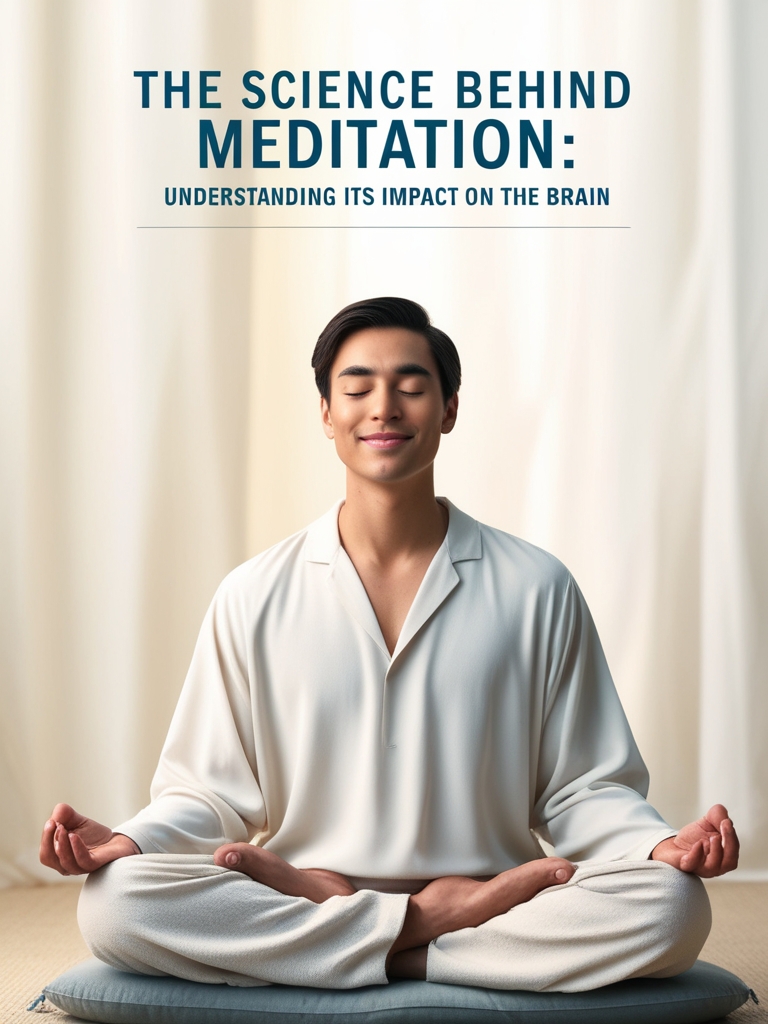
Meditation has long been hailed as a powerful tool for achieving mental clarity, emotional balance, and overall well-being. But what exactly happens in the brain when we meditate? In recent years, scientific research has provided fascinating insights into how meditation affects the brain, revealing changes that can lead to lasting improvements in mental health. This article explores the science behind meditation, explaining how it influences brain function and offering practical tips for incorporating meditation into your daily routine.
1. The Basics of Meditation
Before diving into the science, it’s essential to understand what meditation is. Meditation is a practice that involves focusing the mind on a particular object, thought, or activity to achieve a mentally clear and emotionally calm state. There are various types of meditation, including mindfulness meditation, loving-kindness meditation, transcendental meditation, and more. Each style has unique techniques, but they all share the goal of promoting mental and emotional well-being.
2. How Meditation Affects the Brain: The Neuroscience Perspective
One of the most exciting aspects of meditation is its profound impact on the brain. Neuroimaging studies have shown that regular meditation can lead to structural and functional changes in the brain. Here’s a closer look at how meditation influences different brain regions:
a. The Prefrontal Cortex: Enhancing Focus and Decision-Making
The prefrontal cortex is responsible for executive functions such as decision-making, attention, and self-control. Research has shown that meditation can increase the thickness of the prefrontal cortex, leading to improved cognitive functions. This change is particularly significant for tasks requiring sustained attention and focus, making meditation a valuable practice for professionals seeking to enhance their productivity.
b. The Amygdala: Reducing Stress and Anxiety
The amygdala is the brain’s emotional center, responsible for processing emotions like fear and anxiety. Studies have shown that regular meditation can reduce the size and activity of the amygdala, leading to a decrease in stress and anxiety levels. This change helps individuals respond more calmly to stressful situations, promoting emotional stability.
c. The Hippocampus: Boosting Memory and Learning
The hippocampus plays a crucial role in memory formation and learning. Meditation has been shown to increase the density of gray matter in the hippocampus, leading to improvements in memory retention and learning abilities. This finding suggests that meditation can be a powerful tool for enhancing cognitive function and maintaining mental sharpness as we age.
3. Meditation and Brain Waves: Achieving a Calmer State of Mind
Meditation has a significant impact on brain waves, the electrical activity produced by neurons in the brain. Different types of brain waves are associated with different states of consciousness, and meditation can influence these waves in ways that promote relaxation and mental clarity.
a. Alpha Waves: Promoting Relaxation
Alpha waves are associated with a relaxed, yet alert state of mind. During meditation, alpha wave activity increases, leading to a state of deep relaxation. This effect is particularly beneficial for individuals looking to reduce stress and anxiety, as it promotes a calm and focused state of mind.
b. Theta Waves: Enhancing Creativity and Intuition
Theta waves are associated with deep relaxation, creativity, and intuition. These waves are often observed during meditation, particularly in more advanced practitioners. By increasing theta wave activity, meditation can help individuals tap into their creative potential and develop a greater sense of intuition.
c. Gamma Waves: Heightening Awareness and Cognitive Function
Gamma waves are associated with heightened awareness, cognitive function, and information processing. Research has shown that long-term meditators exhibit increased gamma wave activity, leading to enhanced mental clarity and cognitive performance. This finding suggests that meditation can improve mental efficiency and overall brain function.
4. Long-Term Effects of Meditation on the Brain
The benefits of meditation extend beyond short-term relaxation and stress reduction. Long-term meditation practice has been linked to lasting changes in brain structure and function, leading to improvements in mental health and well-being.
a. Neuroplasticity: Rewiring the Brain for Positive Change
One of the most remarkable effects of meditation is its ability to promote neuroplasticity, the brain’s capacity to change and adapt in response to experience. Through regular meditation, individuals can “rewire” their brains, creating new neural pathways that support positive thinking, emotional regulation, and stress resilience.
b. Increased Gray Matter Density
As mentioned earlier, meditation has been shown to increase gray matter density in areas of the brain associated with memory, learning, and emotional regulation. This change not only enhances cognitive function but also protects against age-related cognitive decline, making meditation a valuable practice for maintaining mental health throughout life.
c. Improved Emotional Regulation
Meditation’s impact on the amygdala and prefrontal cortex leads to improved emotional regulation, allowing individuals to respond more calmly and effectively to life’s challenges. This effect is particularly beneficial for those struggling with anxiety, depression, or other mood disorders, as it promotes a greater sense of emotional balance and well-being.
5. Practical Tips for Incorporating Meditation into Your Routine
Understanding the science behind meditation is only the first step; the real benefits come from regular practice. Here are some practical tips for incorporating meditation into your daily routine:
a. Start with Short Sessions
If you’re new to meditation, start with short sessions of 5-10 minutes per day. As you become more comfortable with the practice, you can gradually increase the duration of your sessions. Consistency is more important than duration, so aim to meditate daily.
b. Create a Comfortable Space
Choose a quiet, comfortable space where you can meditate without distractions. You don’t need a special room or expensive equipment; a simple cushion or chair in a peaceful corner of your home will suffice.
c. Experiment with Different Techniques
There are many different meditation techniques to choose from, so experiment with a few to find the one that works best for you. Whether it’s mindfulness meditation, loving-kindness meditation, or a guided meditation app, the key is to find a practice that resonates with you.
d. Use Apps and Resources
Many apps and online resources can guide you through meditation, making it easier to get started. Popular options include Headspace, Calm, and Insight Timer, which offer guided meditations, mindfulness exercises, and other tools to support your practice.

 Esarasavi