
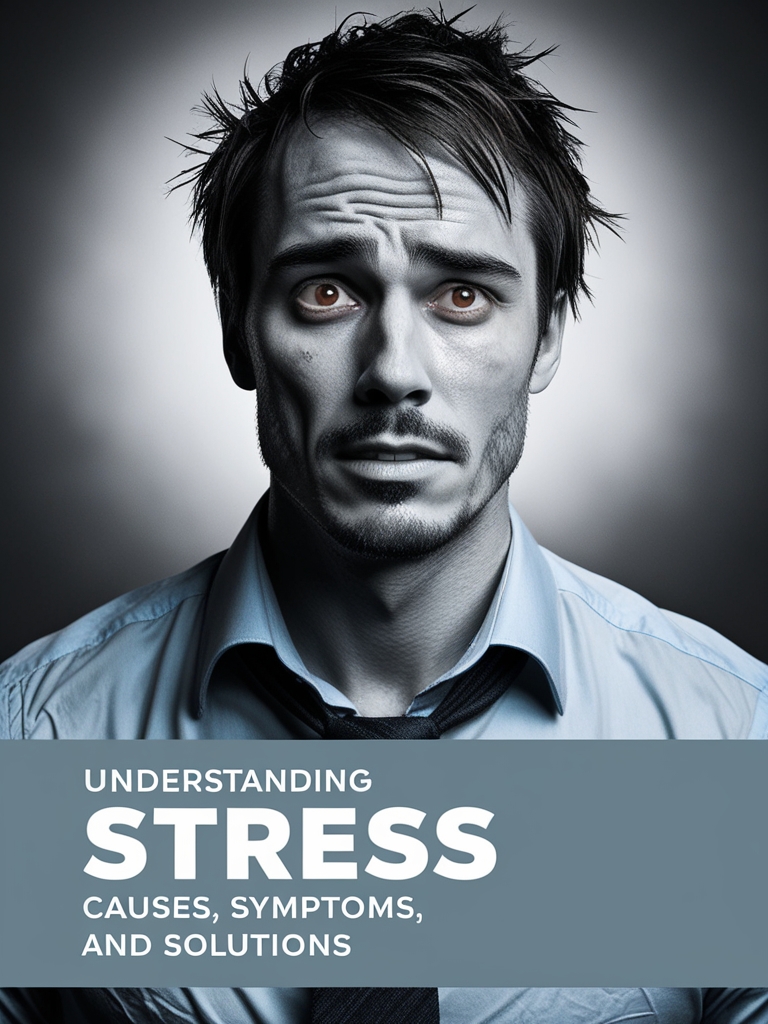
Stress is an inevitable part of life, but its impact on our physical and mental well-being can be profound. In today’s fast-paced world, stress has become a common issue that many face, whether it’s related to work, personal relationships, finances, or health concerns. Understanding stress, its causes, symptoms, and solutions is crucial for managing it effectively and maintaining overall health. In this article, we will delve into the root causes of stress, identify its symptoms, and explore practical solutions to manage it.
What Is Stress?
Stress is the body’s natural response to any demand or challenge, also known as a “stressor.” When faced with a perceived threat, the body triggers a “fight or flight” response, releasing stress hormones such as cortisol and adrenaline. This response prepares the body to take immediate action, whether by confronting the stressor or fleeing from it. While stress is a normal biological reaction, chronic stress can lead to serious health problems.
Causes of Stress
Understanding the causes of stress can help individuals recognize and manage it more effectively. The sources of stress, or stressors, can be internal or external, and they vary widely from person to person.
a. Work-Related Stress
Workplace stress is one of the most common causes of stress today. High job demands, tight deadlines, lack of control over work, and conflicts with colleagues can all contribute to stress at work. Job insecurity and financial pressures can also heighten work-related stress.
b. Personal Relationships
Stress often arises from personal relationships, whether they are with family, friends, or romantic partners. Conflicts, misunderstandings, and unmet expectations in relationships can lead to emotional strain. Life changes such as marriage, divorce, or the loss of a loved one can also trigger stress.
c. Financial Problems
Money is a significant source of stress for many individuals. The pressure to meet financial obligations, such as paying bills, managing debt, or saving for the future, can lead to chronic stress. Economic uncertainty or job loss can exacerbate financial-related stress.
d. Health Issues
Illness, injury, or chronic health conditions can lead to stress, particularly when they impact daily functioning and quality of life. Caring for a sick loved one or dealing with one’s own health problems can also create emotional strain and anxiety.
Symptoms of Stress
Stress manifests in different ways, affecting both the mind and body. Recognizing the symptoms of stress is crucial for addressing it before it leads to more serious health issues.
a. Physical Symptoms
Stress can take a toll on the body, leading to physical symptoms such as:
- Headaches
- Muscle tension or pain
- Fatigue
- Chest pain
- Sleep disturbances
- Gastrointestinal problems (e.g., upset stomach, nausea)
- Elevated heart rate and blood pressure
Chronic stress can weaken the immune system, making individuals more susceptible to infections and illnesses.
b. Emotional Symptoms
Emotional signs of stress can include:
- Anxiety and worry
- Irritability and anger
- Sadness or depression
- Restlessness
- Difficulty concentrating or making decisions
- Feeling overwhelmed or out of control
If left unaddressed, emotional stress can worsen, leading to mental health disorders such as anxiety or depression.
c. Behavioral Symptoms
Stress can also impact behavior, leading to:
- Overeating or loss of appetite
- Increased use of alcohol, drugs, or tobacco
- Procrastination or neglecting responsibilities
- Social withdrawal
- Nervous habits (e.g., nail-biting, pacing)
Changes in behavior can further exacerbate stress, creating a cycle that’s difficult to break without intervention.
Solutions for Managing Stress
While stress is a natural part of life, there are effective solutions for managing it. Implementing these stress-management strategies can help individuals regain control, improve their well-being, and reduce the negative impact of stress on their health.
a. Practice Mindfulness and Meditation
Mindfulness and meditation are powerful techniques for reducing stress and promoting mental clarity. Mindfulness involves staying present and fully engaged in the current moment, while meditation encourages relaxation and focus. These practices can help individuals manage stress by promoting a sense of calm and emotional balance.
b. Exercise Regularly
Physical activity is one of the best ways to combat stress. Exercise releases endorphins, known as “feel-good” hormones, which can boost mood and reduce stress. Even simple activities such as walking, yoga, or stretching can provide significant relief from stress.
c. Develop a Healthy Work-Life Balance
Striking a balance between work and personal life is essential for managing stress. Overworking can lead to burnout, so it’s important to set boundaries and make time for relaxation and leisure activities. Prioritize self-care, hobbies, and spending time with loved ones to maintain emotional well-being.
d. Improve Time Management Skills
Poor time management can increase stress levels, particularly when deadlines and responsibilities pile up. Developing effective time management skills, such as prioritizing tasks, setting realistic goals, and breaking tasks into smaller steps, can reduce the pressure and help individuals stay organized.
e. Talk to a Professional
When stress becomes overwhelming, talking to a therapist or counselor can provide valuable support. Mental health professionals can help individuals identify stress triggers and develop coping strategies. Cognitive-behavioral therapy (CBT), in particular, has been shown to be effective in reducing stress and managing anxiety.
Long-Term Solutions for Preventing Stress
Preventing stress is just as important as managing it. Long-term solutions involve creating healthy habits and lifestyle changes that promote resilience and stress resistance.
a. Maintain a Healthy Diet
Eating a balanced diet rich in nutrients can help the body cope with stress. Foods high in antioxidants, vitamins, and minerals support overall health and boost the immune system. Limiting caffeine and sugar intake can also prevent energy crashes that contribute to stress.
b. Get Enough Sleep
Sleep is crucial for stress management. A lack of sleep can heighten stress levels and make it harder to manage emotions. Aim for 7-9 hours of sleep per night to allow the body to rest, recharge, and recover from daily stressors.
c. Build Strong Social Connections
Having a supportive social network can buffer against stress. Strong relationships with family, friends, or colleagues provide emotional support and reduce feelings of isolation. Regularly connecting with loved ones can enhance emotional well-being and resilience.
d. Practice Gratitude
Gratitude is a powerful tool for reducing stress. Focusing on the positive aspects of life, rather than dwelling on challenges, can shift the mind from a stress-inducing state to one of appreciation. Keeping a gratitude journal or practicing daily affirmations can help cultivate a positive mindset.

 Esarasavi